
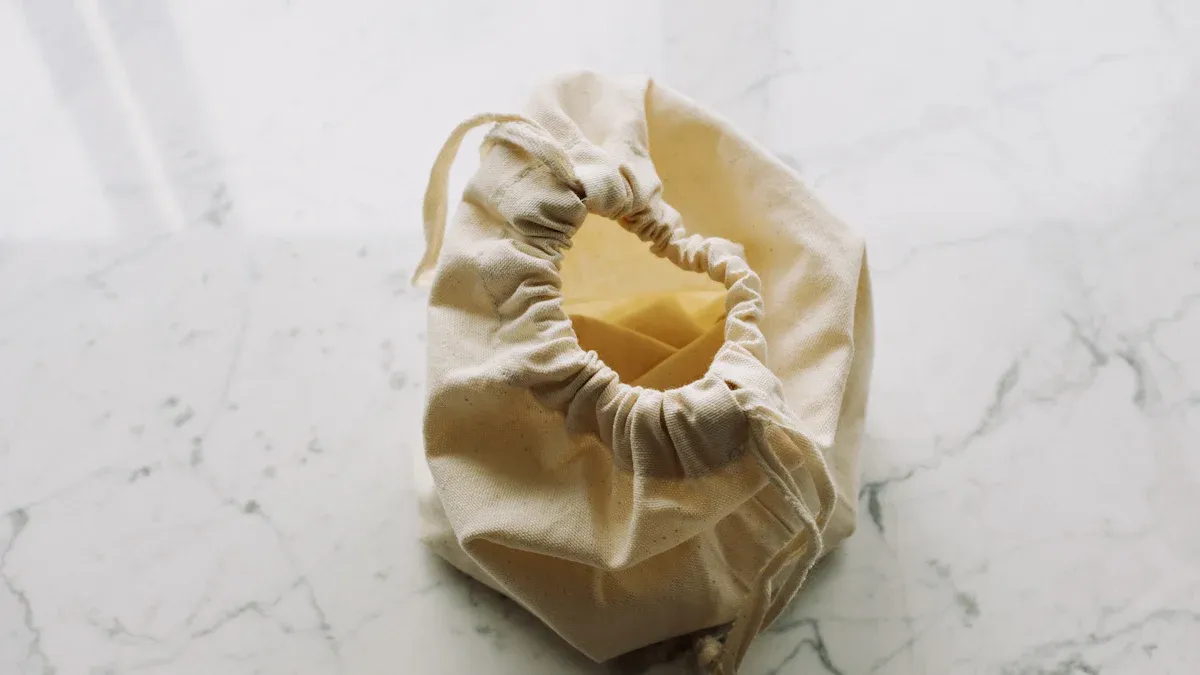
You know how annoying it is when your favorite clothes smell bad or get moldy in storage. Many people have problems with wet closets, bugs that eat fabric, and mold that grows in damp places. The advantages of cotton cloth for home storage are significant. It helps stop moisture and keeps your things fresh. Studies show cotton can catch bad substances like PFAS in just one day. So, how you use cotton in storage is important. With cotton, you can fix common problems easily and have a cleaner, safer space.
- Wet clothes left in the washer make the air damp
- Moisture stuck in clothes helps mold grow
- High humidity in closets helps mold spores spread
Key Takeaways
- Cotton cloth lets air move through it. This stops bad smells and mildew from forming in storage. Cotton soaks up moisture well. It keeps your things dry and safe from mold and mildew. Cotton is hypoallergenic, so it is safe for people with sensitive skin. It also lowers the chance of allergies. Cotton is strong and simple to take care of. It can last for many years. You only need to wash and dry it easily. Picking cotton storage solutions helps the environment. Cotton breaks down naturally and comes from a renewable resource.
Advantages of Cotton Cloth
Breathability
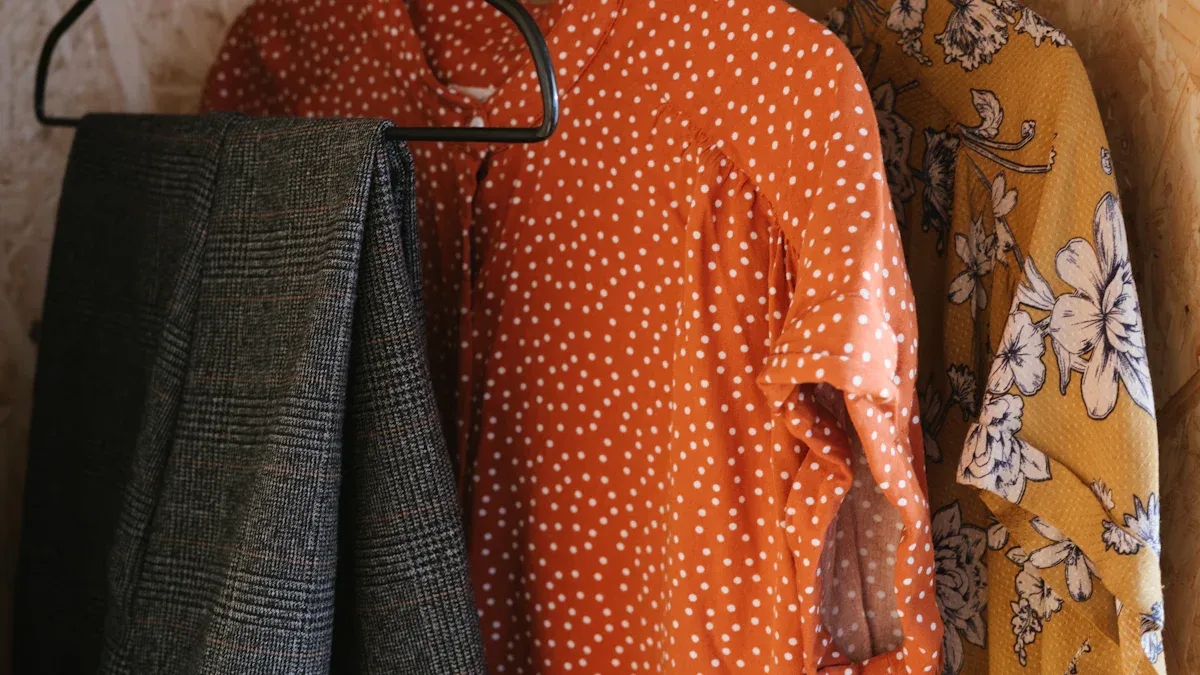
You want your things to stay clean and fresh. Cotton is great because it lets air move through it. This helps stop bad smells and mildew from forming. Other materials can trap air and moisture, but cotton does not do that. Cotton keeps your items in good condition.
Let’s look at how cotton compares to other materials:
| Material | Breathability Characteristics | Effectiveness in Preventing Odor and Mildew |
|---|---|---|
| Cotton | Air moves through easily | Very good at stopping odors and mildew |
| Polyester | Not as breathable | Not as good at stopping odors |
| GORE-TEX | Air does not move much | Made to keep water out, not for breathability |
Cotton stands out because it is comfortable and lets air flow. You do not have to worry about musty smells or dampness. Cotton helps keep your storage space healthy and fresh.
Moisture Control
Moisture can ruin clothes, shoes, or linens. Cotton helps protect your things. It can soak up water and keep items dry. Scientists tested cotton in labs. They found cotton absorbs water fast and dries quickly. This keeps your things safe from mold and mildew.
A study checked 100% cotton woven fabrics. Researchers wanted to see how well cotton handled heat and humidity. They used tests to measure how much water cotton could absorb and how fast it dried. The results showed cotton did a great job managing moisture. Even after many washes, cotton still worked well.
Tip: Use cotton storage bags or covers to protect your clothes from moisture. They are comfortable and last a long time.
Cotton’s ability to absorb and manage moisture is a big advantage. You can feel sure your items stay dry and comfortable.
Hypoallergenic Qualities
Do you or your family have sensitive skin? Cotton is a good choice. It is soft and gentle. Many people with allergies or eczema use cotton because it does not bother their skin. Organic cotton is even better. It is grown without harsh chemicals, so it is less likely to cause problems.
Here are some reasons why cotton is safe and comfortable:
- Organic cotton is grown without harmful chemicals, so it is less likely to irritate skin.
- Cotton lets air move through, which helps stop heat and moisture from building up.
- Organic cotton is soft, so it feels good on sensitive skin.
Allergy experts say cotton is hypoallergenic. It is easy to clean and does not hold dust or allergens. Studies show 100% cotton causes fewer skin reactions than synthetic fabrics. You get comfort, safety, and quality all together.
Cotton cloth does more than just help with storage. It cares for your skin and your things. When you pick quality cotton, you get comfort and peace of mind.
Durability in Storage
Long-Lasting Fabric
You want your storage solutions to last. Cotton gives you that peace of mind. This strong material stands up to daily use and keeps its shape. You can count on cotton for its strength, even after many washes. Some treated cotton fabrics keep their durability for up to 50 laundry cycles. That means you get a strong material that does not wear out quickly.
Here’s a quick look at how cotton holds up:
| Treatment Type | Limiting Oxygen Index (LOI) | Laundering Cycles | Durability Assessment |
|---|---|---|---|
| Treated Cotton (20 wt% AEA3) | 45.4% | 50 | Maintained durability |
| Untreated Cotton | N/A | N/A | Lower durability compared to treated cotton |
You can see that cotton’s strength makes it a smart choice for home storage. Most cotton products last from one to five years in normal household conditions. If you use them gently and wash them with care, they can last even longer.
Easy Care
You do not want to spend hours cleaning your storage bags or covers. Cotton makes life easier. You can toss cotton items in the wash and hang them to dry. This strong material handles regular cleaning without losing its shape or strength.
Here are some things to remember about caring for cotton:
- Cotton cloths are easy to wash and reuse.
- Hanging cotton to dry cuts down on bacteria and keeps your storage fresh.
- Cotton may hold some moisture, so always let it dry completely.
Microfiber cloths clean better, but cotton is still a strong material for storage. You get a balance of strength, easy care, and comfort. Cotton gives you a reliable way to keep your things safe and clean.
Eco-Friendly Storage Solutions
Biodegradable Material
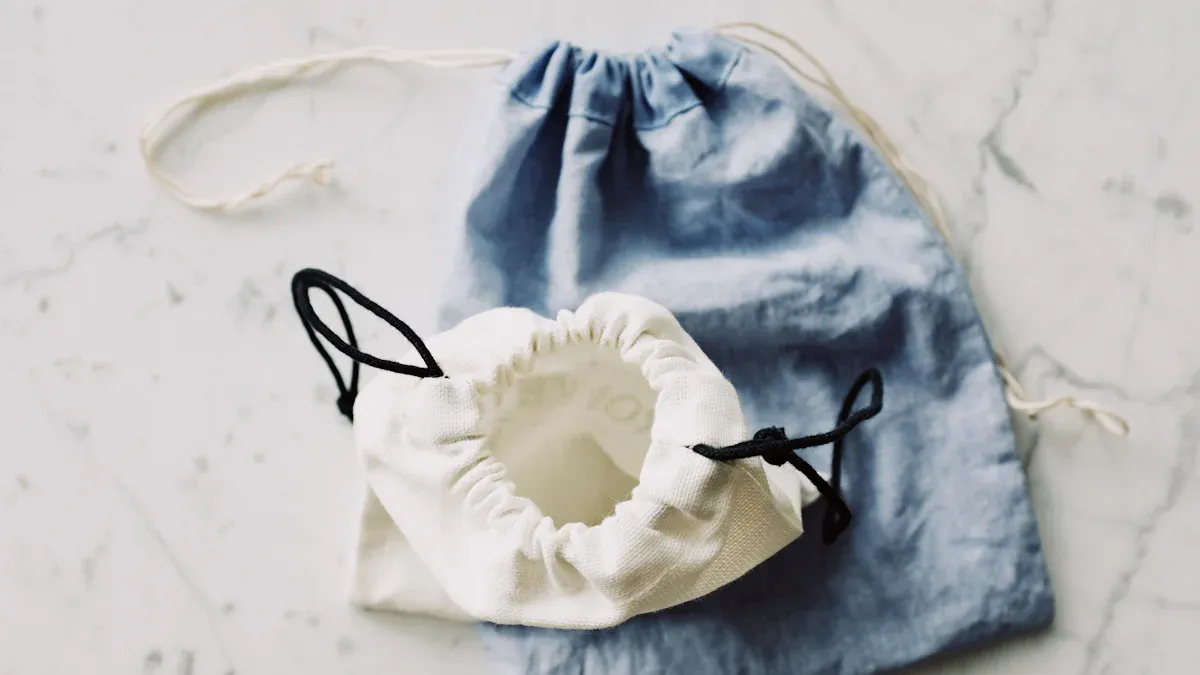
You want to help the planet. Choosing cotton is a smart way to do that. Cotton breaks down on its own over time. Plastic does not break down for a very long time. Cotton does not fill up landfills for hundreds of years. This fiber goes back to the earth and does not leave bad waste.
You may wonder if your cotton cloth is really biodegradable. Some cotton products have special labels. These labels show the product meets tough rules. Here are two important certifications:
| Certification | Description |
|---|---|
| OEKO-TEX® ECO PASSPORT | Biodegradability is listed if tests are given or if substances are called biodegradable by ECHA. |
| GOTS | This is a well-known label that checks for high environmental and social rules in making cotton. |
If you see these labels, you know your cotton is safe for the earth. You can feel good about your choices. Your storage helps the environment.
Sustainable Choice
You want your home to show what you care about. Cotton is a good choice for the planet. It comes from plants, not oil or chemicals. Farmers grow cotton again and again. This makes it a renewable resource. You can feel proud using cotton for storage.
Cotton takes less energy to make than many fake materials. You help cut down on pollution and trash when you pick cotton. Many companies now use green ways to grow and make cotton. Every cotton bag or cover you use helps the earth.
Tip: Pick cotton with GOTS or OEKO-TEX® labels. These labels mean your cotton is good for people and the planet.
Cotton is a simple way to help the world. You get strong storage and help nature at the same time.
Versatility of Cotton
Adaptable Uses
You want your home to feel organized and easy to manage. Cotton gives you that flexibility. Its versatility means you can use it in many ways around your home. You can find cotton in runner baskets, drawer liners, and even as covers for shelves. People love using cotton to organize fabrics by color and type with runner baskets. You can also store fabric under cutting or ironing surfaces. This saves space and keeps everything close by. Many people keep scraps in colorful baskets or jars, sorted by color. These ideas make your space look neat and help you find what you need fast.
Here are some creative ways you can use cotton for storage:
- Organize your fabrics by color and type using runner baskets.
- Store extra fabric under your cutting or ironing table.
- Keep small scraps in bright baskets or jars, sorted by color.
Cotton works well in all these uses because it is strong and flexible. You can shape it to fit almost any space. This makes it a smart choice for anyone who wants more order at home.
Style and Customization
You want your storage to look good, not just work well. Cotton helps you do both. This natural fiber can be dyed in any shade, so you can match your storage to your room’s style. You can pick from many designs, sizes, and colors. Cotton stands out because it does not use microplastics, unlike some synthetic materials.
Many people say cotton storage looks great, especially if you care about the planet. You can find options made from 100% or organic cotton. These choices blend utility and style. You get a storage solution that fits your taste and helps the environment.
Tip: Choose cotton storage in your favorite color or pattern. You can show your style and keep your home tidy at the same time.
Cotton’s versatility lets you create a space that feels personal and organized. You get both beauty and function in one simple material.
Cotton vs. Other Materials
Cotton vs. Plastic
You see plastic bins in many places. They look strong and keep water out. But plastic bins can break or crack after a while. Cotton bins are different from plastic bins in many ways. Cotton bins usually cost less money. They are also easy to clean. You can wash cotton bins and use them again for years. Plastic bins cost more at first and often get thrown away.
| Feature | Fabric Bins | Plastic Bins |
|---|---|---|
| Cost | Generally cheaper | Higher upfront cost |
Cotton breaks down by itself over time. Plastic stays in landfills for hundreds of years. If you compare storage materials, cotton is better for your wallet and the earth.
Cotton vs. Synthetics
Many storage products use synthetic materials like polyester. These materials feel strong, but they are bad for nature. Polyester does not break down and takes lots of energy to make. Cotton uses less energy and breaks down fast. When you pick cotton, you help stop microplastic pollution. Synthetic fabrics make 35% of the microplastics in the ocean. Cotton microfibers break down almost all the way in water in 40 days.
- Synthetic fabrics make 35% of ocean microplastics.
- Polyester can take 200 years to break down.
- Cotton microfibers break down 89% in wastewater, 77% in freshwater, and 49% in seawater in 40 days.
Here is a quick look at storage materials:
| Material | Biodegradability | Energy Use |
|---|---|---|
| Cotton | Biodegradable | Lower energy use |
| Polyester | Not biodegradable | Higher energy use |
Cotton vs. Paper
Paper bins seem good for the planet, but they rip easily and do not last long. Cotton is much stronger and can be washed. You can use cotton bins for many years. Paper bins fall apart after a few uses. Cotton bins also look nicer and feel softer. If you want storage that lasts, cotton is the best choice for your home.
Tip: Choose cotton for your next storage project. You get strong bins, easy cleaning, and help the earth too.
Practical Storage Tips
Choosing Cotton Products
Picking the right cotton products for your home can make a big difference. You want your storage to last and look good. Here are some things to check before you buy:
- Make sure the product uses 100% cotton or a strong cotton blend. This gives you the best quality.
- Look at the weave and stitching. Tight weaves and strong stitches help the material last longer.
- Measure your space. Check the size and how much the basket or bin can hold.
- Find out the weight limit. You do not want your basket to lose its shape.
- Choose safe dyes, especially if you have kids. Non-toxic colors keep your home safe.
- Pick baskets with flat, sturdy bases. This keeps them from tipping over.
- Read the care instructions. Some cotton items need gentle washing.
- Check the handles. They should feel comfortable and stay attached.
- Read customer reviews. Real photos show you how the material looks and feels.
- Buy from trusted sellers. Good brands give you better cotton and service.
If you want to store household textiles like towels or cotton bedding, these tips help you find the right fit. You get strong, safe, and stylish storage for every room.
Maintenance Tips
You want your cotton storage to last for years. Simple care steps keep your material fresh and strong:
- Store cotton items in a cool, dry place. This keeps away mold and bad smells.
- Clean and dry your household textiles before putting them away. Fresh items stay nice longer.
- Avoid direct sunlight. Sun can fade colors and weaken the material.
- Use breathable bins or bags. Cotton lets air move, which stops moisture from building up.
- Wrap delicate fabrics in acid-free tissue paper. This protects them from yellowing.
- Add cedar blocks or lavender sachets. These natural items keep moths away without harsh chemicals.
- Keep the room at 65-75°F (18-24°C) and humidity between 40% and 50%. This helps cotton stay strong.
Tip: Always let your cotton storage dry fully after washing. Damp material can lead to mold.
With these easy steps, you protect your cotton and keep your storage looking great.
You want your home to feel fresh, organized, and safe. Cotton gives you that. You get breathability, moisture control, and easy care. Cotton lasts for years and helps the planet. You can trust cotton for style and strength in your home. When you look for home storage solutions, choose cotton. You will see how cotton makes storage simple and smart.
FAQ
Is cotton cloth safe for storing baby clothes?
Yes, you can trust cotton for baby clothes. It is soft, gentle, and does not irritate sensitive skin. You can wash it easily. Many parents choose cotton because it keeps baby items fresh and clean.
How do I clean cotton storage bins?
You can toss most cotton bins in the washing machine. Use cold water and mild soap. Let them air dry. If the bin has a frame, wipe it with a damp cloth. Always check the care label first.
Will cotton bins keep bugs away from my clothes?
Cotton lets air flow, which helps keep bugs out. For extra protection, add cedar blocks or lavender sachets. These natural items help repel moths and keep your clothes smelling nice.
Can I use cotton storage in damp places?
You can use cotton in closets or basements, but keep it dry. Cotton absorbs moisture. Always let bins dry fully after washing. Use moisture absorbers if your space gets damp.
Does cotton fade in sunlight?
Yes, cotton can fade if you leave it in direct sunlight for a long time. Store your cotton bins in shaded spots. This keeps colors bright and fabric strong.